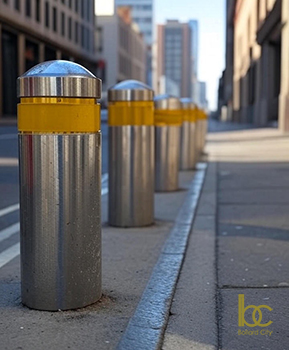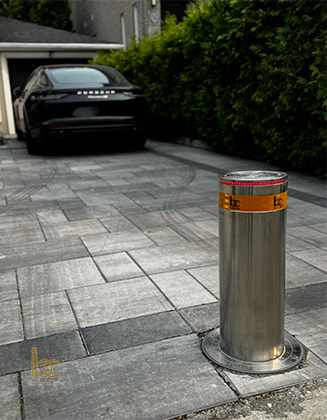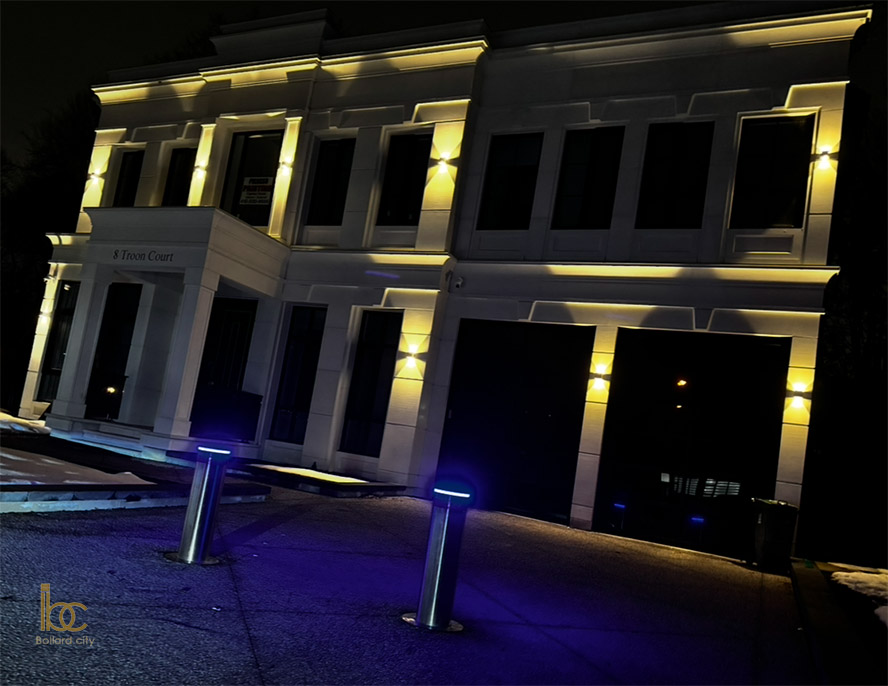

When selecting materials for construction and design, particularly in regions that experience extreme weather, it is crucial to choose options that offer both durability and resistance to environmental challenges. 316 stainless steel is widely recognized as one of the best materials for such applications, especially in the context of Canada’s harsh winters. This article delves into the numerous benefits of 316 stainless steel, emphasizing its resistance to salt and other corrosive elements.
Exceptional Corrosion Resistance
One of the hallmark features of 316 stainless steel is its exceptional resistance to corrosion. This is particularly important in Canada, where road salt is commonly used to ensure safety on icy roads during winter months. The presence of molybdenum in 316 stainless steel significantly enhances its ability to withstand pitting and crevice corrosion, which are common issues faced by other metals when exposed to saline environments. This quality makes 316 stainless steel an ideal choice for applications that are frequently exposed to moisture and salt, including marine hardware, outdoor furniture, and architectural features.
In regions where salt is prevalent, corrosion can quickly compromise the integrity of materials. However, 316 stainless steel’s resilience ensures that structures remain intact and visually appealing, even after years of exposure to harsh winter conditions.
Longevity and Durability
Investing in 316 stainless steel equates to investing in longevity. This alloy is engineered to endure extreme weather conditions without succumbing to wear and tear. Its robust nature means that it can withstand freezing temperatures, heavy snowfall, and the corrosive effects of road salt, making it suitable for various outdoor applications.
Many other materials may deteriorate over time, requiring frequent replacements or extensive repairs. In contrast, 316 stainless steel maintains its structural integrity and aesthetic appeal, offering a cost-effective solution for the long term. Whether used in residential settings or commercial projects, this material provides peace of mind that it will last for years, even in the most challenging environments.
Low Maintenance Requirements
One of the most appealing aspects of 316 stainless steel is its low maintenance requirements. Unlike other metals that may need regular painting, sealing, or protective coatings to prevent rust and corrosion, 316 stainless steel is relatively easy to care for. A simple wash with soap and water is often sufficient to keep it looking clean and new. This ease of maintenance not only saves time and effort but also reduces long-term costs associated with upkeep.
For businesses and homeowners alike, the low maintenance nature of 316 stainless steel means less hassle and more focus on enjoying the beauty and functionality of their installations. This quality is especially advantageous in busy urban environments where maintenance resources may be limited.
Versatility in Applications
The versatility of 316 stainless steel cannot be overstated. It is suitable for a wide range of applications, from marine environments to architectural designs. Its aesthetic appeal, combined with its functional strength, makes it a preferred choice for outdoor furniture, railings, fixtures, and even industrial components that require resilience against harsh elements.
In the construction industry, 316 stainless steel is often used for structural components that must endure both the elements and heavy loads. Its strength-to-weight ratio makes it an excellent choice for projects where both durability and efficiency are paramount.
Furthermore, the alloy's sleek, modern appearance adds a touch of elegance to any project, making it a popular choice among architects and designers. Whether it’s a stunning outdoor deck, a stylish railing system, or functional marine equipment, 316 stainless steel blends seamlessly into various aesthetics while providing unmatched performance.
Environmental Considerations
In today's environmentally conscious society, selecting sustainable materials is more important than ever. 316 stainless steel is not only durable and low-maintenance, but it is also recyclable. At the end of its lifecycle, this material can be repurposed, reducing waste and contributing to a more sustainable future. By choosing 316 stainless steel, you are making an environmentally responsible decision that supports sustainable practices.
Conclusion
In conclusion, 316 stainless steel is an outstanding choice for anyone seeking materials that can withstand the rigors of Canadian winters and the corrosive effects of salt. Its superior corrosion resistance, impressive durability, low maintenance requirements, and versatility make it a leading option for both residential and commercial applications.
Whether you're planning a new construction project, renovating an existing space, or looking for outdoor fixtures that will stand the test of time, embracing the benefits of 316 stainless steel ensures that your projects remain robust, beautiful, and functional for years to come. Make the smart choice and invest in 316 stainless steel to enjoy the peace of mind that comes with knowing your materials are built to last.